Ways Barge Manufacturers Adapt Builds for Industry-Specific Needs
Barges play an essential role in moving materials, supporting marine operations, and providing stable work platforms across a wide range of industries. While barges may share certain basic characteristics, the needs of a construction company can differ considerably from those of a transportation, dredging, environmental, or industrial operation. For that reason, barge design often requires careful consideration of how the vessel will actually be used.
A barge manufacturer can account for these operational differences by adapting dimensions, structural components, deck configurations, equipment accommodations, and other features to the intended application. These adjustments help create vessels that are better suited to their working environments rather than relying on a uniform design for every project. Understanding some of the most important customization considerations can help organizations appreciate how specialized barge construction supports demanding marine operations.
Adapting Builds for Different Cargo Requirements
The type of material or equipment a barge will carry can significantly influence its overall design. Some operations may require a large, unobstructed deck for transporting machinery, while others may need configurations designed around bulk materials or specialized industrial equipment. The expected cargo can affect everything from structural reinforcement to deck layout and accessibility.
A barge manufacturer evaluates these operational demands when developing a vessel suited to a particular application. Weight distribution is especially important because cargo must be accommodated without compromising the barge’s intended performance. Heavy equipment, concentrated loads, and unusually shaped materials can create different structural demands than evenly distributed cargo.
Cargo requirements may also influence how workers access, load, secure, and unload materials. By considering these needs during the design and fabrication process, manufacturers can develop layouts that complement the equipment and procedures commonly used within the customer’s industry. This allows the finished vessel to function as part of a larger operational system rather than simply serving as a floating platform.
Adapting Builds for Different Working Environments
Barges operate in rivers, canals, harbors, coastal areas, and other marine environments, each of which can present distinct conditions. Water depth, currents, available maneuvering space, docking arrangements, and exposure to environmental forces can all affect what characteristics are appropriate for a vessel.
The importance of inland waterways is substantial. According to Market.us News, more than 25,000 miles of navigable waterways in the United States support barge transportation. With barges operating throughout such an extensive network, manufacturers must recognize that operating conditions can vary considerably between locations and applications.
A barge manufacturer can account for the intended environment when determining appropriate dimensions, structural characteristics, and other design elements. A vessel expected to work primarily in a confined industrial waterway may have different requirements from one used in a larger harbor or open working area. Environmental considerations can also affect material selection, coatings, and protective features intended to support the vessel throughout its working life.
Adapting Builds for Different Deck Operations
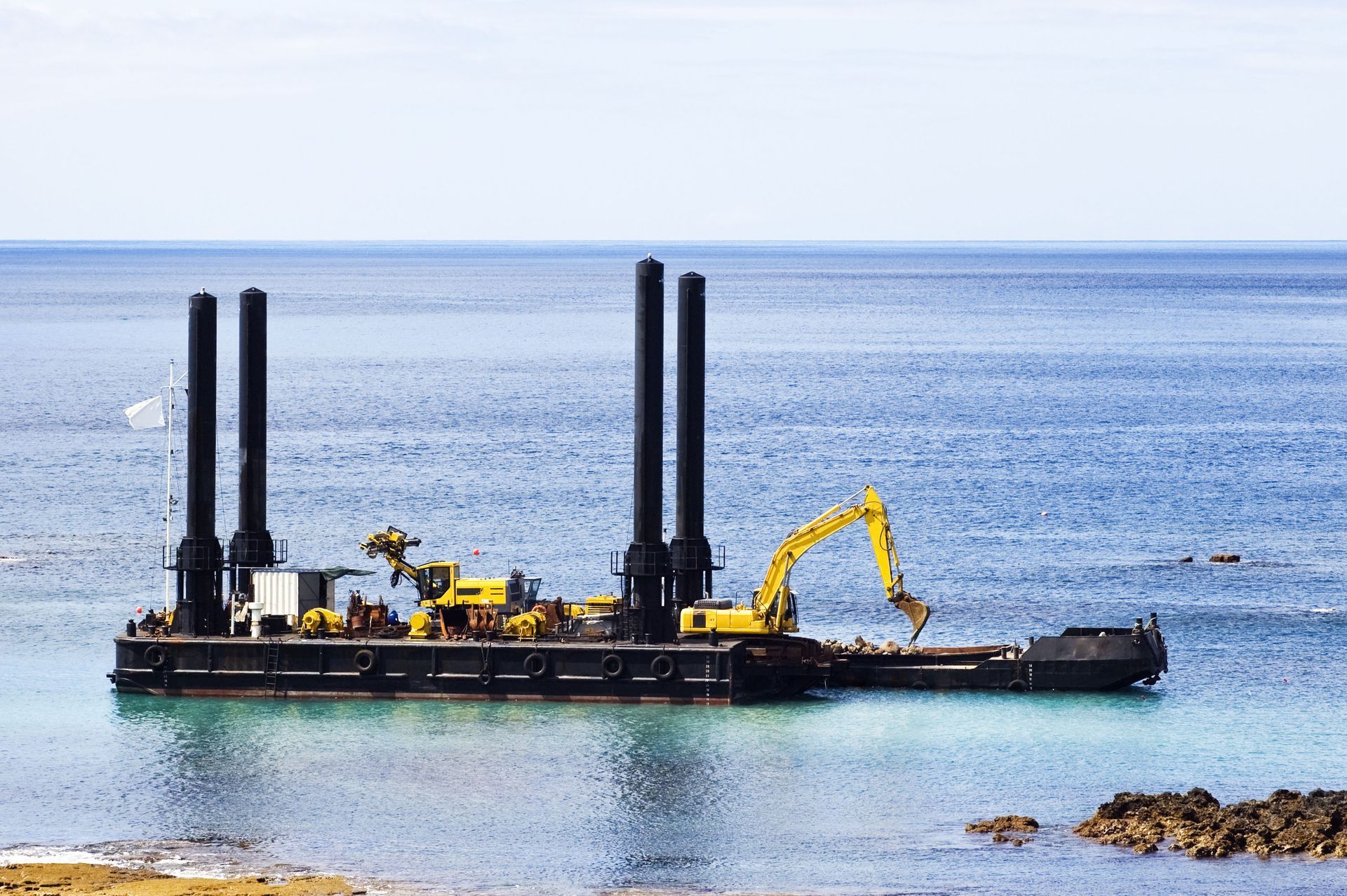
For many industries, the deck is more than a surface for transporting cargo. It may serve as an active workspace where crews operate machinery, manage materials, conduct marine construction activities, or support other specialized tasks. Consequently, deck configuration can become a central part of a custom barge design.
A barge manufacturer may adapt the deck based on the type of equipment that will be placed aboard and how workers need to move around it. Equipment positioning can influence reinforcement requirements, available working space, and the placement of structural elements. Designers must consider not only whether equipment physically fits but also whether the overall arrangement supports the vessel’s intended function.
A thoughtful deck layout can also help reduce unnecessary obstacles during routine operations. Access points, working areas, and equipment locations may be planned around the activities crews regularly perform. When the deck is designed with a specific industry in mind, the barge can provide a more practical platform for the work occurring aboard it.
Adapting Builds for Different Equipment Needs
Specialized industries often rely on machinery that must operate directly from a barge. Cranes, pumps, material-handling systems, construction equipment, and other machinery can place substantial demands on a vessel’s structure. Accommodating this equipment requires more than simply reserving enough deck space.
A barge manufacturer must consider how equipment weight and operating forces interact with the vessel. Certain machinery can create concentrated loads or forces that differ from those associated with ordinary cargo. Structural components may therefore need to be configured around the equipment and its anticipated use.
Manufacturers may also consider how equipment will be installed, serviced, accessed, or replaced. Designing with these practical needs in mind can make the barge more compatible with the customer’s broader operations. This is particularly important when the vessel will function as a dedicated work platform rather than primarily transporting materials from one location to another.
By addressing machinery requirements early in the design process, builders can integrate equipment considerations into the vessel instead of treating them as an afterthought.
Adapting Builds for Different Structural Demands
The structural demands placed on a barge depend heavily on its purpose. A vessel carrying heavy machinery may experience different stresses than one supporting lighter, distributed loads. Likewise, a barge used as a stationary industrial platform can face operational demands that differ from those of a vessel regularly moving cargo.
A barge manufacturer can adjust structural characteristics based on expected loading conditions and the intended application. Reinforcement, framing, deck construction, and other components can be developed to support the particular demands anticipated during service.
Structural planning also involves considering how different parts of the vessel work together. Changes made to accommodate equipment, cargo, or deck operations may affect other areas of the design. Manufacturers therefore need to evaluate the vessel as an integrated system rather than modifying individual components without considering their relationship to the overall build.
This approach is especially valuable for specialized industrial projects, where standard configurations may not align with unusual equipment, loading patterns, or operational expectations.
Adapting Builds for Different Long-Term Operations
A barge is typically expected to support ongoing commercial or industrial activity, making long-term operational considerations an important part of the design process. The vessel’s intended workload, exposure conditions, maintenance needs, and changing operational demands can all influence construction decisions.
A barge manufacturer can consider how the vessel will be used throughout its service life rather than focusing exclusively on its immediate assignment. Material choices, protective measures, accessibility, and structural configurations may all contribute to how effectively crews can inspect and maintain the barge over time.
Planning for long-term use can also mean considering whether the vessel’s layout provides sufficient practicality for recurring tasks. A barge that supports frequent equipment use, for example, may benefit from a configuration that allows crews to reach important areas without unnecessarily interfering with other operations.
Industry-specific construction ultimately involves balancing immediate performance needs with the practical realities of continued use. Building around these expectations can help create a vessel that remains aligned with the organization’s operational purpose as conditions and project demands evolve.
Choosing Builds for Specialized Marine Operations
Industry-specific barge construction demonstrates why vessel design involves much more than selecting basic dimensions. Cargo, working environment, deck activities, equipment, structural loads, and long-term operating requirements can all shape what a particular organization needs from its barge.
Working with a barge manufacturer gives organizations an opportunity to address these considerations during the design and fabrication process. Clearly defining the vessel’s purpose allows relevant operational requirements to influence the build from the beginning. This can be particularly important for businesses whose marine activities involve specialized machinery, challenging working conditions, or unusual loading demands.
A well-planned barge should reflect the work it is expected to perform. By adapting construction to specific industries and applications, manufacturers can produce vessels designed around real operational needs instead of requiring customers to force specialized work into a generic configuration.
For organizations exploring a custom barge for specialized marine or industrial operations, Progressive Industrial, Inc. can help evaluate project requirements and available build options. Contact us to discuss your application and learn how we can work with you to develop a barge that supports your operational needs.
Share On: