9 Capabilities That Matter Most When Choosing a Barge Manufacturer
Choosing a company to manufacture a barge requires careful consideration of technical capabilities, construction standards, and project requirements. Barges support industries such as marine construction, transportation, dredging, and industrial operations. Because these vessels often carry heavy equipment or substantial cargo, their design and construction influence safety, efficiency, and long-term performance. Not all barge manufacturers offer the same engineering expertise, fabrication resources, customization options, or quality control procedures. Selecting the right company involves looking beyond pricing to understand how each manufacturer approaches complex projects. Evaluating essential capabilities can help businesses invest in vessels that accommodate their operational requirements while providing dependable service in demanding marine environments.
1. Demonstrating Experience With Specialized Barge Projects
Experience is an important consideration when selecting a company for marine vessel construction. Different barge applications require distinct structural features, dimensions, and equipment configurations. A vessel designed for transporting construction materials may have different requirements than one supporting dredging equipment or marine maintenance operations. Manufacturers with experience across multiple applications may better recognize these differences and recommend appropriate construction approaches.
Buyers should ask about completed projects involving similar operating conditions and intended uses. Reviewing photographs, technical specifications, and available references can provide insight into a company's capabilities. Experienced barge manufacturers should explain how they approach unusual design requirements, challenging fabrication details, and project-specific constraints. This background helps customers determine whether a manufacturer has the practical knowledge necessary to complete their vessel successfully.
2. Providing Comprehensive Engineering and Design Services
Engineering plays a central role in creating a barge that performs safely and efficiently. Vessel dimensions, structural reinforcement, deck loading, buoyancy, and stability must be evaluated according to the intended application. Engineers also consider how equipment placement and cargo distribution affect the vessel during operation. Careful planning establishes appropriate structural specifications before fabrication begins, reducing the likelihood of expensive modifications later.
Manufacturers with design capabilities can translate operational needs into practical construction plans. This may involve developing drawings, reviewing material specifications, and coordinating engineering calculations. Buyers should determine whether design work is performed internally or through qualified outside professionals. Clear communication between engineering and fabrication teams helps maintain consistency between approved plans and the completed vessel.
3. Offering Flexible Customization and Fabrication Options
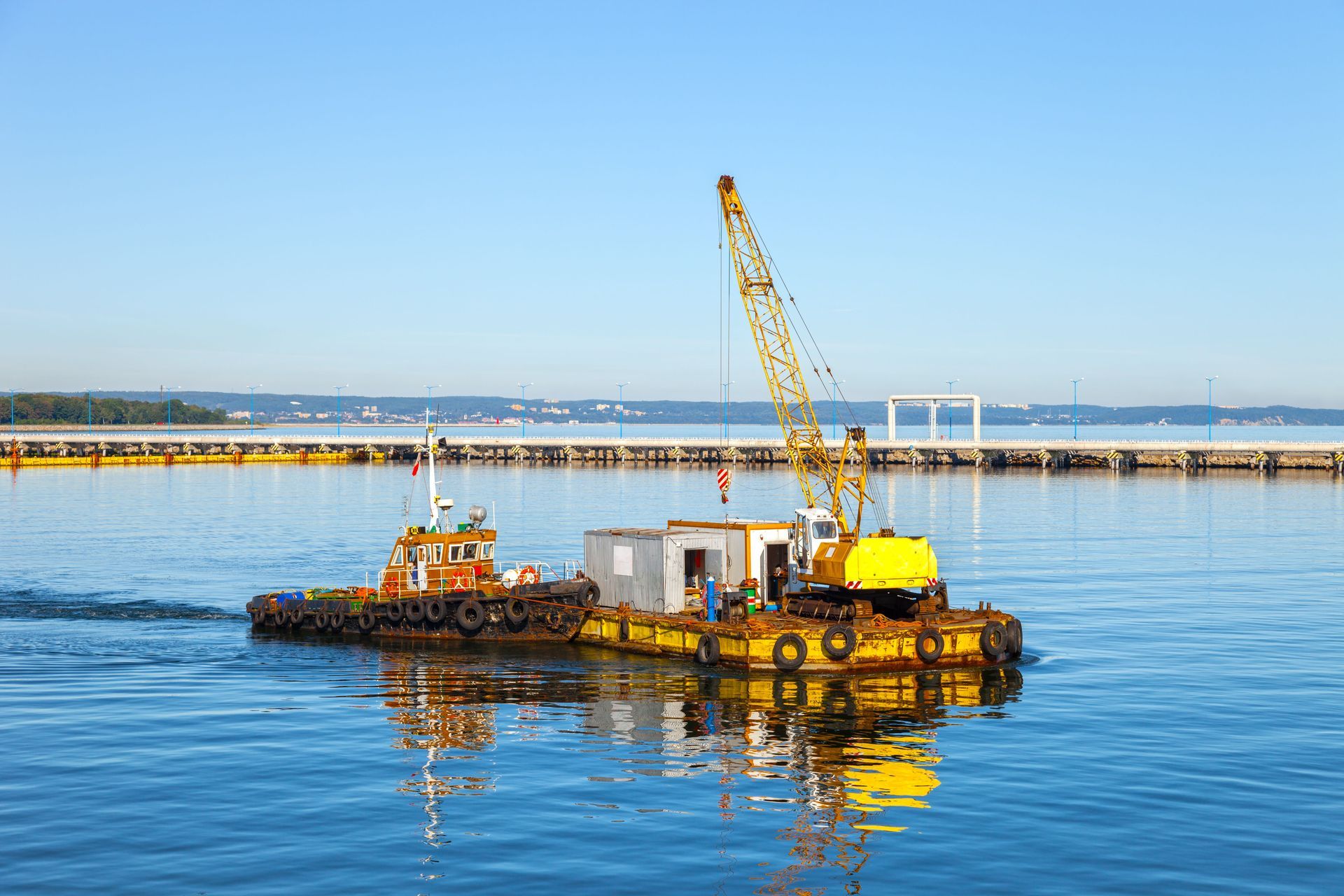
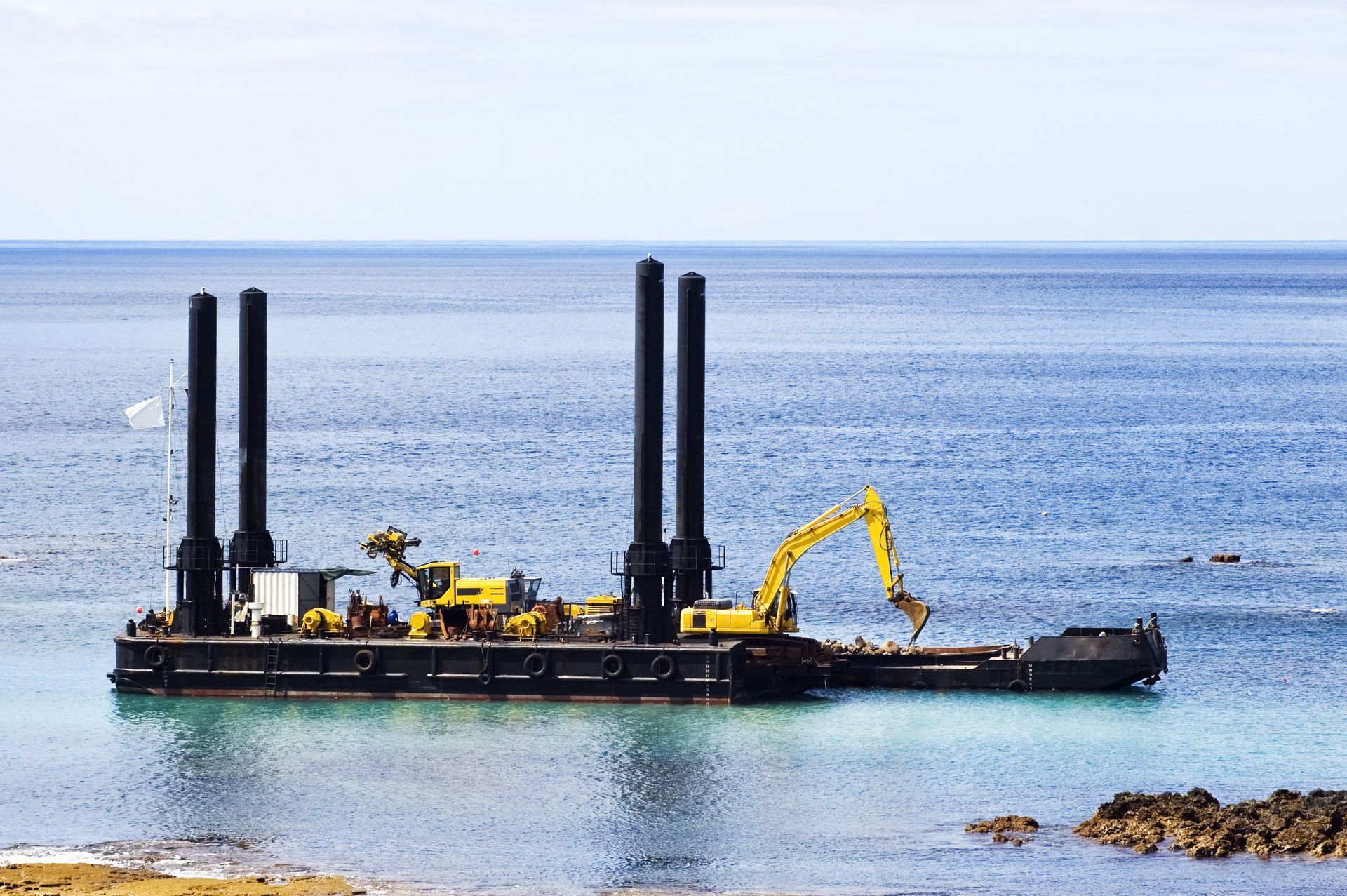
Many marine operations require barges with specialized features rather than standard configurations. Customization may involve reinforced decks, equipment mounting areas, access openings, storage compartments, or specific hull dimensions. Construction barges may need accommodations for cranes, excavators, or other heavy machinery. The ability to modify designs allows businesses to select vessels that support their equipment and operational procedures.
When comparing barge manufacturers, customers should investigate available customization options and fabrication limitations. Some facilities specialize in particular vessel sizes or construction methods, while others accommodate a wider range of requirements. Discussing these capabilities early helps identify challenges involving equipment compatibility, structural reinforcement, and production schedules. A manufacturer familiar with the intended application can recommend modifications that improve functionality without introducing unnecessary complexity.
4. Maintaining Strong Material Selection and Welding Standards
The durability of a barge depends heavily on materials and fabrication methods. Marine vessels operate in environments where moisture, heavy loads, abrasion, and repeated use affect structural components. Appropriate steel specifications, protective coatings, and corrosion management measures contribute to long-term performance. Material selection should reflect the vessel's intended operating conditions and applicable engineering requirements.
Welding quality is equally important because structural connections must withstand demanding conditions. Buyers should ask about welding procedures, personnel qualifications, and inspection practices. Experienced fabrication teams follow established specifications and verify that completed welds meet project requirements. Consistent material handling and workmanship help reduce premature deterioration, structural deficiencies, and avoidable maintenance concerns throughout the vessel's operating life.
5. Demonstrating Adequate Manufacturing Capacity and Equipment
Manufacturing capacity influences whether a company can complete a project within the required timeframe. Barge construction involves handling large steel components, positioning structural assemblies, performing extensive welding, and moving completed sections through production. Facilities need appropriate equipment, workspace, and personnel to manage these activities efficiently. Limited resources may create scheduling challenges, particularly for projects involving unusual dimensions or complex assemblies.
Prospective customers should evaluate whether barge manufacturers have the equipment and facility capacity necessary for their projects. Important considerations include fabrication space, lifting capabilities, material handling equipment, and suitable launch or transportation arrangements. Buyers may also ask how manufacturers manage multiple projects simultaneously. Understanding production capabilities helps businesses establish realistic delivery expectations and identify logistical limitations before construction begins.
6. Following Applicable Marine Safety and Regulatory Requirements
Barges may be subject to different construction, inspection, and operational requirements depending on their design, intended use, and location. Relevant considerations include structural standards, stability requirements, navigation equipment, and documentation. Certain projects may involve classification society requirements or specific customer standards. Understanding applicable rules is essential because regulatory obligations vary between vessel types.
Qualified manufacturers should incorporate applicable requirements into design and construction. Customers should discuss inspection procedures, engineering documentation, and necessary approvals before production begins. Coordination with regulatory authorities or independent inspectors may be required for certain vessels. Addressing compliance early helps prevent delays and reduces the risk of discovering deficiencies after construction is substantially complete.
7. Managing Production Schedules and Project Communication
Marine construction projects often involve substantial investments and coordinated operational plans. Delays in vessel delivery can affect equipment availability, transportation schedules, and upcoming contracts. Effective project management helps organize material procurement, fabrication activities, inspections, and delivery arrangements. Establishing a realistic schedule allows customers to plan around production milestones and anticipate when their vessel may become available.
Clear communication is another important capability. Buyers should understand how progress updates are provided, who manages questions, and how design changes are documented. Reliable barge manufacturers maintain communication between customers, engineers, fabrication personnel, and other parties. Written approvals and updated schedules reduce misunderstandings when requirements change. Consistent coordination supports accountability and allows complications to be addressed before they cause significant disruptions.
8. Verifying Quality Through Testing and Inspection
Quality control helps confirm that a completed barge meets design specifications and operational requirements. Inspections may occur throughout fabrication rather than only at completion. Depending on the project, evaluations can include dimensional measurements, weld inspections, material verification, and watertightness testing. Identifying deficiencies during production allows corrections before additional components are installed or the vessel is delivered.
According to Market.us News, modern barges are capable of carrying as much as 1,500 tons of cargo, making them an efficient option for transporting large quantities of bulk materials. Actual carrying capacity varies by vessel design, dimensions, and operating conditions. Because barges may support substantial loads, structural verification is important. Buyers should ask about inspection records, testing procedures, and documentation provided upon completion. These measures help establish confidence in construction quality.
9. Supporting Delivery, Maintenance, and Future Modifications
A manufacturer's responsibilities may extend beyond fabrication. Depending on the agreement, customers may need assistance coordinating transportation, launching, equipment installation, or commissioning activities. These steps are important when barges are manufactured away from their intended operating locations. Understanding delivery arrangements beforehand helps businesses prepare facilities, personnel, and equipment for receiving the completed vessel.
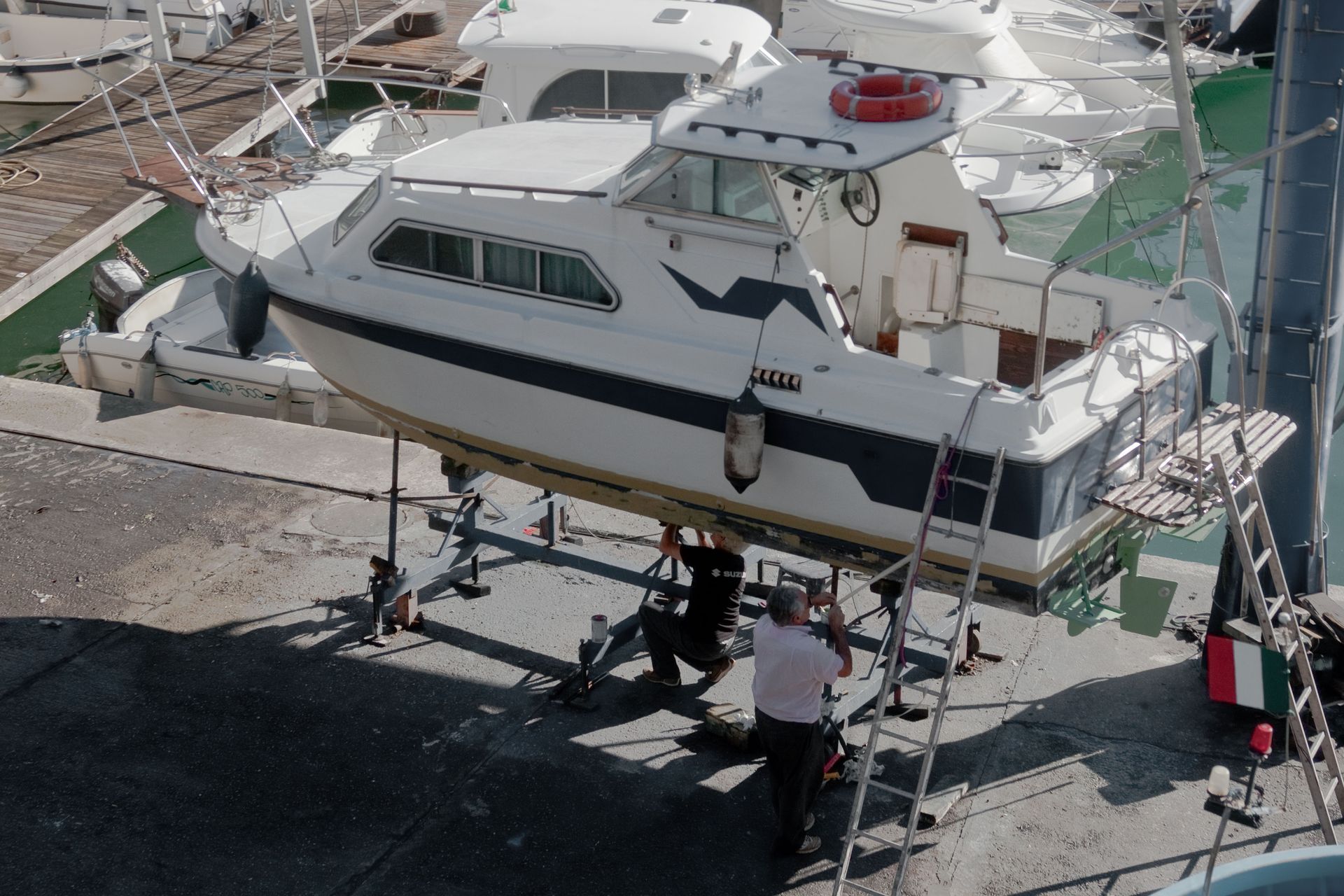
Long-term maintenance and future modification needs should also influence selection. Barges may eventually require structural repairs, deck modifications, protective coating work, or equipment installations. Some barge manufacturers offer fabrication and repair services that support these requirements. Buyers should ask about documentation, warranty terms, replacement components, and service capabilities. Access to knowledgeable professionals can simplify future improvements and help maintain the vessel's usefulness as operational demands change.
Selecting a barge manufacturer involves evaluating more than the initial construction estimate. Engineering knowledge, fabrication experience, customization capabilities, material standards, production resources, and regulatory awareness contribute to successful projects. Effective communication, consistent inspections, and practical delivery arrangements also influence the overall experience. Businesses comparing barge manufacturers should prioritize companies that understand their intended applications and demonstrate the resources necessary to meet construction requirements. Reviewing these capabilities before committing to a project reduces uncertainty and supports informed purchasing decisions. A properly designed and constructed barge can provide dependable service while accommodating transportation, construction, and industrial demands. If your business needs professional assistance with barge fabrication or specialized marine equipment, contact Progressive Industrial, Inc. today to discuss your project requirements and explore available manufacturing solutions.
Share On: