
What Is a Tugboat and What Does It Do?
Imagine a massive container ship, spanning the length of four football fields and weighing hundreds of thousands of tons, gliding toward a narrow concrete berth in a crowded metropolitan harbor. On its own, this leviathan is a marvel of open-ocean transit, but within the tight, unforgiving confines of a port, its massive size becomes a liability. Without brakes and with a turning radius measured in miles, the ship is completely helpless without its pint-sized savior: the tugboat. These relatively small vessels are the undisputed unsung heroes of maritime commerce, possessing an incredible power-to-size ratio engineered by modern tugboat manufacturers to keep global supply chains moving safely. While they may look modest alongside the oceanic giants they escort, tugboats are highly sophisticated, immensely powerful maritime powerhouses. This comprehensive guide explores the anatomy, functions, history, and economic future of these vital vessels to understand exactly what they are and how they keep the world's ports operating flawlessly.
Defining the Maritime Powerhouse
To understand a tugboat, one must look past its compact length and examine its structural anatomy. Unlike standard recreational or cargo vessels designed for speed or capacity, a tugboat is built almost entirely around a massive propulsion system. They are the bodybuilders of the ocean, featuring deeply submerged drafts that provide maximum leverage, heavily reinforced hulls, and dense rubber or foam fendering wrapped around their perimeters. Because their primary job involves making direct, high-impact contact with multi-billion-dollar cargo ships, tugboat manufacturers prioritize structural reinforcement to withstand immense pushing and pulling forces.
The defining metric of a tugboat's strength is not speed, but "bollard pull"—a clean measurement of the pulling force a vessel can exert on a stationary object at zero speed, typically rated in tons. Where a standard boat hull is designed to slice cleanly through waves to conserve fuel, a tugboat hull is designed to act as a stable, unyielding platform that can transfer thousands of horsepower directly into the side of a drifting vessel. They are floating power plants, sacrificing cargo space and luxury quarters entirely to accommodate engines that take up the vast majority of the ship's internal volume.
Categorizing the Modern Fleet
Not all tugboats are created equal, and the global fleet is broadly divided into distinct categories based on their operational environments. Specialized tugboat manufacturers customize hull designs based on whether a boat will face rough open seas or calm river waters. The three primary classifications include:
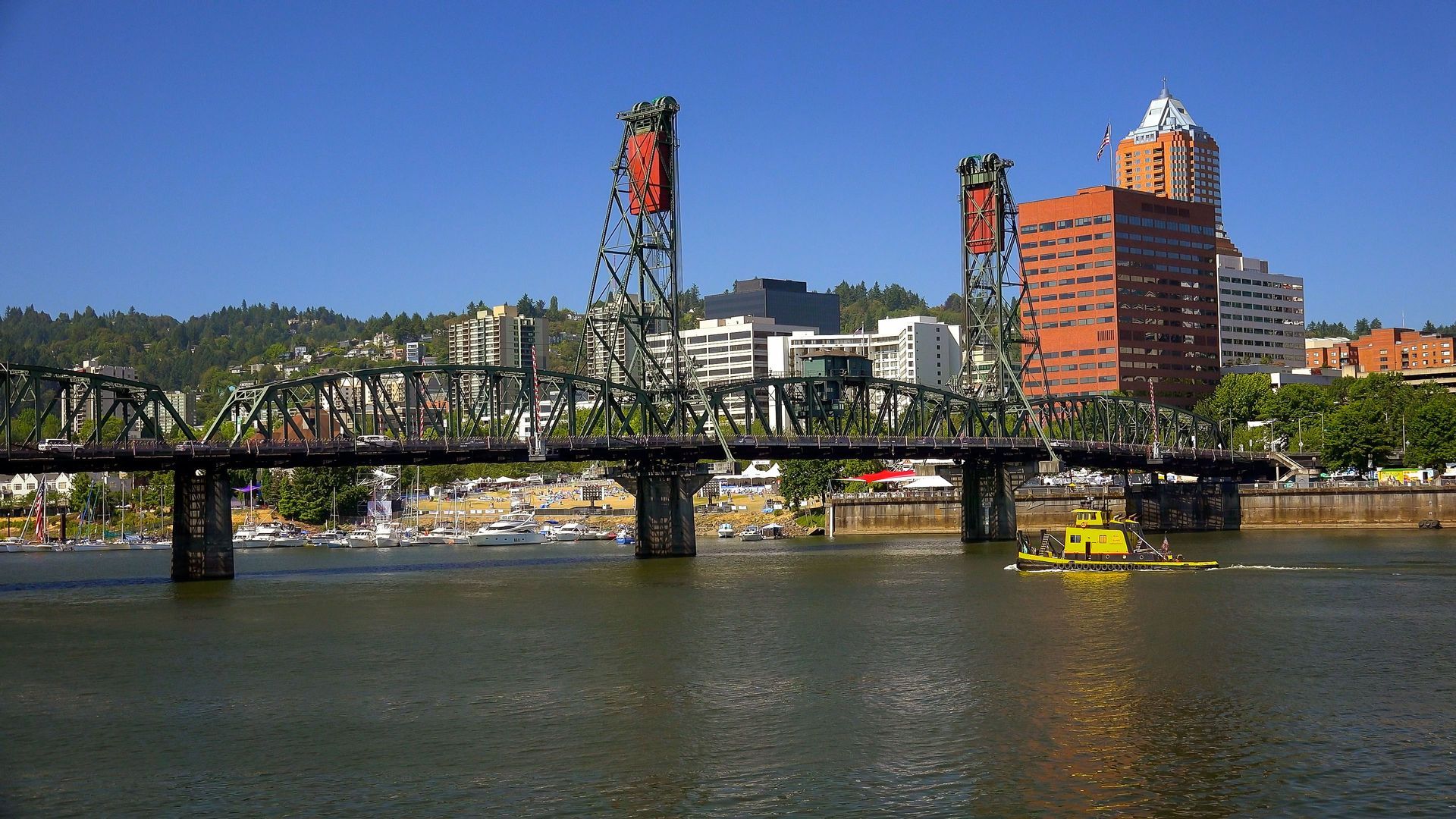
- Harbor Tugs: The most common variety seen by the public, these vessels are highly maneuverable and optimized for short, intense bursts of power. They feature extensive fendering and are designed to operate in tight slips, assisting ships with docking and undocking.
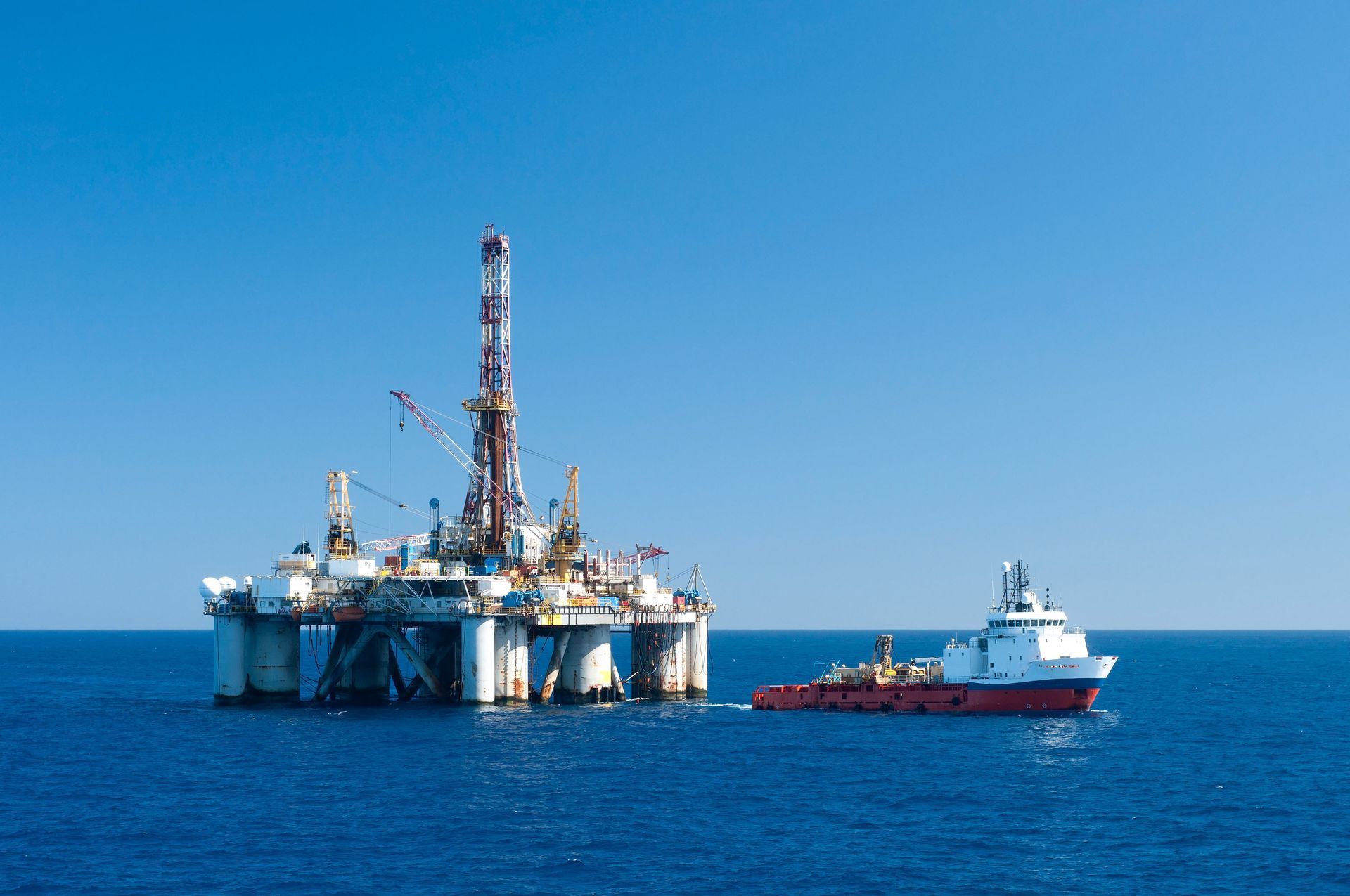
- Ocean-Going / Seagoing Tugs: Built with high bows and deep hull profiles, these larger tugs are designed to survive the brutal conditions of the open ocean. They are used to tow massive oil rigs, disabled ships, or unpowered barges across thousands of miles of open water.
- River Tugs / Towboats: Despite the name "towboat," these flat-nosed vessels actually push long strings of cargo barges ahead of them on inland waterways and rivers. They feature flat bows designed to lock securely against the rectangular stern of a barge.
Examining the Internal Mechanics
The true magic of a modern tugboat lies beneath the waterline, hidden away within its mechanical architecture. The traditional fixed-propeller and rudder setup has largely been replaced in modern fleets by revolutionary omnidirectional drive systems. The two most prominent systems are Azimuth Stern Drive (ASD) thrusters—which feature propeller pods that can fully rotate beneath the hull—and Voith Schneider Propellers (VSP), which utilize vertical, rotating blades to adjust thrust direction instantly. This mechanical fluidity allows a tugboat to walk sideways, spin on a dime, and apply maximum thrust in any direction without moving the boat's heading.
Engineering a vessel capable of executing these violent maneuvers requires extraordinary precision. Because of this, tugboat manufacturers work closely with marine architects to balance engine horsepower with bollard pull rating, ensuring the hull can handle the severe torque without capsizing. The winches mounted to the decks are equally impressive, wound with synthetic ropes stronger than steel cables, capable of automatically rendering and hauling to compensate for the rhythmic churning of ocean swells.
Executing Daily Port Operations
On any given day, a harbor tugboat crew lives a life of calculated, high-stakes choreography. When a mega-ship approaches a port, a team of two to four tugs will deploy to meet it while it is still miles away from the dock. Once alongside, the tugs will either secure heavy lines to the ship's deck or press their heavily padded bows directly against its steel hull. Guided by a harbor pilot stationed on the bridge of the larger ship, the tugboats act as the ship's remote-controlled thrusters, counteracting the invisible forces of crosswinds and ripping tidal currents.
Beyond docking, daily operations include guiding vessels through dangerously narrow channels, turning massive ships around in confined basins, and providing standby safety escorts for hazardous cargo like Liquefied Natural Gas (LNG) tankers. It is a grueling, round-the-clock operation where a single miscalculation could result in a catastrophic collision, making the reliability of the vessel's engineering paramount to port safety.
Managing Emergency Salvage Operations
When disaster strikes at sea, the role of the tugboat transforms from a routine port assistant into a frontline emergency vehicle. Salvage tugs are the heavy rescue units of the ocean, tasked with responding to shipboard fires, mechanical failures, and groundings. These vessels are equipped with massive, high-capacity water cannons capable of throwing thousands of gallons of foam or seawater per minute onto burning cargo decks. When a ship loses power during an ocean storm, it risks drifting onto rocks; a salvage tug must race against time to attach a towline and secure the vessel before an environmental disaster occurs.
The physical demands of these rescue missions are extreme, requiring specialized machinery that can survive under immense duress. To meet this need, elite tugboat manufacturers build dedicated "salvage tugs" equipped with advanced firefighting and towing winches that feature automatic tension controls to prevent lines from snapping in heavy seas. These vessels represent the pinnacle of maritime durability, serving as a vital insurance policy for the global shipping industry.
Analyzing Global Market Growth
The economic outlook for the tugboat industry is incredibly robust, directly tied to the unceasing expansion of international maritime trade. As maritime logistics continue to scale globally to meet consumer demands, the need for advanced escort and harbor infrastructure has never been higher. According to a report by Persistence Market Research, the global tugboat market is projected to expand significantly, climbing from $2.99 billion in 2025 to $4.18 billion by 2032. This steady financial trajectory highlights just how dependent modern trade routes remain on these compact support vessels.
This economic boom is driving fierce competition among global tugboat manufacturers to build greener, eco-friendly fleet options. Port authorities around the world are implementing strict emissions regulations, forcing fleet operators to invest heavily in next-generation vessels that deliver maximum bollard pull while minimizing their carbon footprint.
From their humble beginnings as steam-powered paddle wheelers to the highly agile, digitalized powerhouses of today, tugboats have proven themselves to be absolutely indispensable. They are the muscle, the agility, and the safety net of the global maritime industry, proving that size has very little to do with true capability. As the shipping industry evolves to embrace larger container ships and stricter environmental standards, the innovation coming from leading tugboat manufacturers ensures these vessels will remain indispensable for centuries to come.
Whether you are looking to upgrade your commercial fleet or need reliable maritime solutions, Progressive Industrial, Inc is here to guide you every step of the way. Our team of industry experts specializes in connecting marine operators with top-tier vessels built for peak performance. Contact us today to discover how we can streamline your marine operations and power your business forward.
Share On: