What Makes a High-Performance Harbor Tugboat?
Harbor tugboats play an essential role in maritime operations, helping large vessels navigate crowded ports, narrow channels, and challenging waterways. From assisting with docking to providing towing and emergency support, these vessels must deliver dependable power, precise maneuverability, and consistent performance. As shipping demands increase, understanding the engineering behind these vessels helps operators recognize what separates an ordinary tugboat from a high-performance one. For tugboat manufacturers, balancing power, efficiency, safety, and durability remains a central priority.
Engine Power and Fuel Efficiency
Delivering the Power Needed for Demanding Operations
Engine power is one of the most important factors influencing a tugboat's capabilities. These vessels must generate substantial thrust to move large ships, maintain control in strong currents, and respond quickly during harbor maneuvers. High-horsepower engines provide the pulling force necessary for demanding assignments, while sufficient torque supports responsive acceleration and reliable performance.
Marine engine technology has advanced considerably, with innovations such as turbocharging and aftercooling improving combustion and power output. These developments allow modern engines to deliver greater performance while managing fuel consumption. According to Riviera, the US has the second largest national fleet of tugs in 2025, with 1,450 over 100-gt listed. This substantial fleet reflects the importance of dependable tugboat capabilities across the country's maritime industry. Tugboat manufacturers must account for these demands when developing vessels for busy commercial ports.
Improving Fuel Economy and Environmental Performance
Fuel efficiency directly affects a tugboat's long-term operating costs. Because these vessels frequently perform repetitive tasks and remain active for extended periods, excessive fuel consumption can create significant expenses. Modern engine configurations maximize fuel economy while providing the necessary power. Digital monitoring systems also help operators evaluate consumption and identify inefficient operating patterns.
Environmental considerations are equally important. Technologies such as selective catalytic reduction and exhaust gas recirculation help reduce harmful diesel emissions. Some vessels incorporate alternative fuels, including liquefied natural gas, while hybrid propulsion combines conventional engines with electric motors to reduce fuel consumption. For tugboat manufacturers, incorporating efficient propulsion technology helps address changing environmental expectations without sacrificing practical performance.
Advanced Maneuverability and Control
Enhancing Directional Control and Thrust
A tugboat's ability to maneuver accurately is just as important as its engine power. Harbor environments often involve limited space, heavy vessel traffic, and unpredictable water conditions. Advanced propulsion and steering systems help operators maintain control while positioning vessels alongside large ships.
Azimuth thrusters can rotate in a full circle, allowing operators to direct thrust in different directions. Voith Schneider propellers offer another approach, using vertically mounted blades to produce adjustable thrust. These systems support rapid directional changes and precise positioning, which are particularly valuable during docking assistance and escort operations. The appropriate technology depends on a vessel's intended duties and towing requirements.
Integrating Precision and Positioning Technology
Modern control systems give tugboat operators greater command over vessel movements. Electronic throttles, joystick controls, and integrated navigation displays help crews coordinate propulsion and steering. These technologies are especially useful when maneuvering near larger ships, where small positioning errors can create serious problems.
Dynamic positioning systems combine GPS information, sensors, and propulsion equipment to maintain a vessel's position. This technology is valuable when working in areas affected by strong currents or changing winds. Although not necessary for every harbor tug, it can improve capabilities for specialized offshore and marine support assignments. Tugboat manufacturers consider these applications when selecting control technologies for different vessel designs.
Supporting Performance Through Operator Training
Even advanced maneuverability systems depend on capable operators. Crews must understand propulsion equipment, navigation systems, and how different vessel configurations affect handling. Training programs combine instruction, practical experience, and simulator exercises to prepare operators for routine assignments and unexpected situations.
Ongoing training is important as maritime technology evolves. Familiarity with electronic controls, positioning systems, and emergency procedures helps crews use equipment effectively. Knowledgeable operators remain central to safe and efficient performance, regardless of technological advancements.
Structural Design and Operational Safety
Building Stability and Durability Into the Hull
A high-performance harbor tugboat needs a hull designed to withstand demanding working conditions. These vessels operate close to much larger ships, encounter changing water conditions, and experience substantial forces during towing and pushing assignments. Hull geometry influences stability, maneuverability, and efficiency, making thoughtful design essential.
Marine-grade steel is commonly used because of its strength and durability. Reinforced structural components help manage towing forces, while protective coatings reduce corrosion caused by saltwater exposure. Attention to construction quality helps limit deterioration and supports long-term vessel reliability.
Incorporating Safety and Emergency Equipment
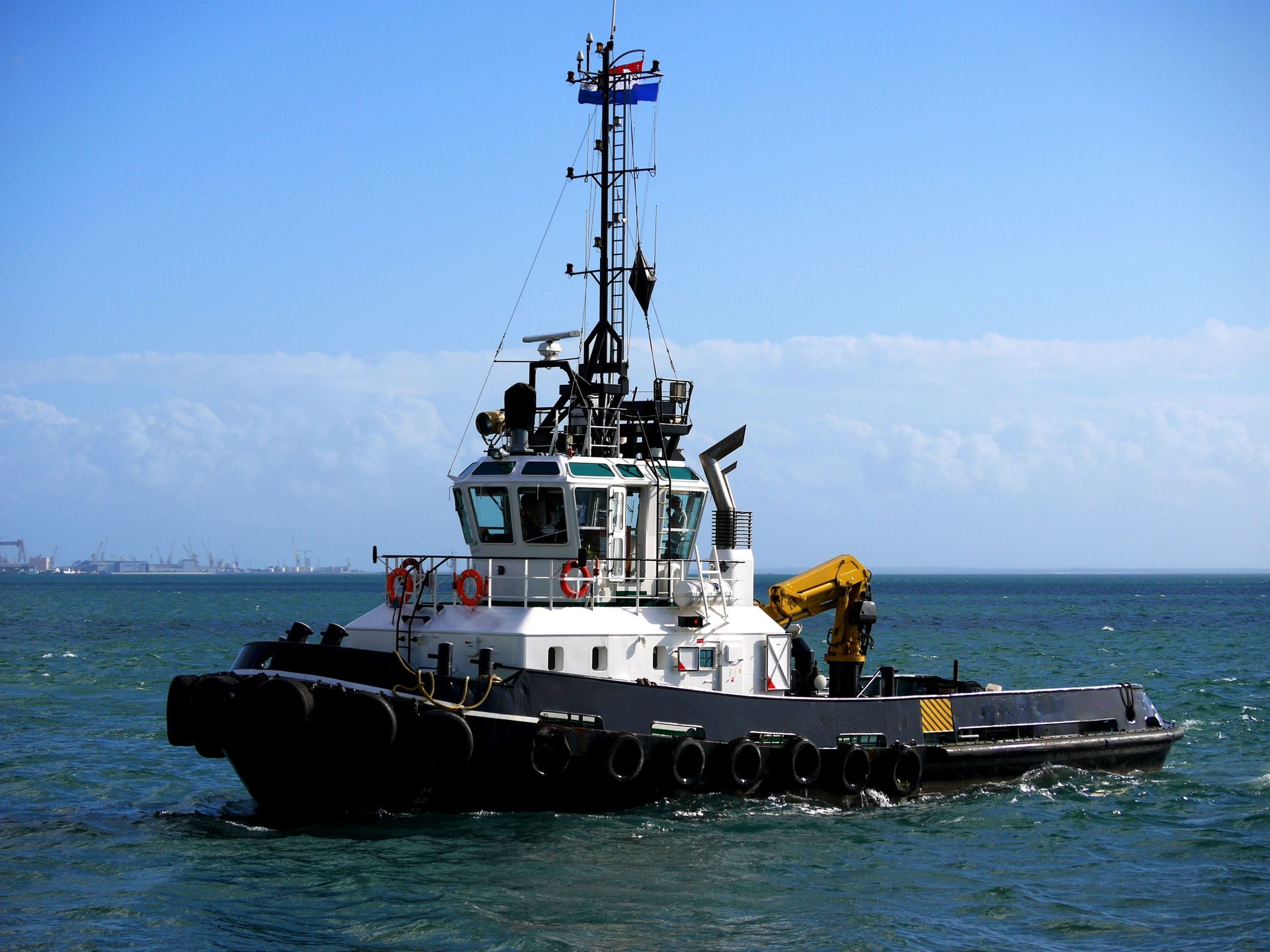
Safety features are essential because harbor tugboats frequently work near commercial ships, port infrastructure, and other marine traffic. Properly designed towing equipment, secure deck fittings, and accessible emergency systems help crews manage operational risks. Fendering systems are particularly important because they cushion contact between a tugboat and the vessel it is assisting.
Navigation lights, communication equipment, fire suppression systems, and emergency shutdown controls also contribute to operational safety. Reliable alarms and monitoring equipment help crews identify potential problems before they become more serious. Tugboat manufacturers must ensure these systems are accessible and appropriate for each vessel's intended operating environment.
Maintenance and Long-Term Performance
Preventing Mechanical Problems and Downtime
Regular maintenance preserves engine performance and helps prevent unexpected equipment failures. Tugboats operate under demanding conditions, making routine inspections particularly important. Engine components, cooling systems, fuel lines, hydraulic equipment, and electrical connections should receive attention according to established maintenance schedules. Identifying early signs of wear helps prevent smaller problems from developing into expensive repairs.
Modern monitoring technology makes maintenance more proactive. Sensors track operating temperatures, vibration levels, and pressure, helping maintenance personnel recognize unusual patterns. Predictive maintenance can reduce unnecessary servicing by allowing operators to base decisions on actual equipment conditions.
Extending Vessel Life Through Consistent Care
Maintenance responsibilities extend beyond engines and propulsion equipment. Hull inspections, corrosion prevention, deck hardware evaluations, and safety system testing all contribute to vessel reliability. Regular inspections of towing equipment and fendering are especially important because these components experience repeated physical stress.
Accurate maintenance records help operators track recurring problems, component replacements, and future service requirements. A consistent maintenance program supports operational readiness while helping preserve vessel value. Preventive care can reduce major disruptions and extend the useful life of important equipment.
Tugboat Design and Operational Performance
Matching Vessel Capabilities to Operational Needs
Not every harbor tugboat needs the same combination of power, propulsion, and technology. A vessel assisting with routine docking may have different requirements from one performing escort services or specialized towing. Operators should consider expected vessel sizes, harbor conditions, towing demands, fuel requirements, and maintenance resources before selecting a design.
Innovative configurations demonstrate how different engineering approaches address these needs. Rotortug designs, for example, use three azimuth thrusters to provide maneuverability and towing flexibility. Other concepts focus on improving hull stability, propulsion efficiency, or reducing fuel consumption. These developments show why evaluating complete vessel capabilities is more useful than considering engine horsepower alone.
Investing in Reliable Maritime Performance
Working with experienced tugboat manufacturers can help operators identify designs that align with their requirements. A well-planned vessel combines appropriate engine capacity, reliable propulsion, effective safety systems, and practical maintenance considerations.
High-performance harbor tugboats depend on the integration of powerful engines, advanced maneuverability systems, durable construction, and reliable safety equipment. As maritime operations evolve, tugboat manufacturers will remain important in developing vessels that address changing operational and environmental demands. For businesses evaluating marine equipment and industrial solutions, Progressive Industrial, Inc can be a resource for exploring equipment needs and identifying practical solutions. Making informed decisions helps promote safer, more efficient, and more reliable harbor operations.
Share On: