
Why Tugboat Manufacturers Are Set to Ride a Steady Wave of Growth
This article delves into the key factors driving growth in the tugboat manufacturing industry. As global trade and maritime activities expand, tugboat manufacturers are uniquely positioned to benefit from this trend. Through an analysis of market dynamics, technological advancements, and economic factors, we examine why this sector is set for a promising future. The tugboat market is experiencing unprecedented demand due to factors such as increased port activities and higher volumes of seaborne trade. Understanding these dynamics is essential for stakeholders in both the maritime and manufacturing sectors. Tugboat manufacturers are now exploring innovative designs and technologies to keep pace with the evolving requirements of global shipping.
Expanding Global Maritime Trade
With the rise in global trade, the demand for tugboats to assist in port operations is expected to grow. Ports around the world are busier than ever, requiring efficient fleets to ensure smooth operations and minimize downtime. Tugboats play an essential role in managing the intricate dance of shipping vessels, guiding them safely into harbor. According to Fortune Business Insights, the global tugboat market is projected to grow from USD 533.6 million in 2024 to USD 1,114.2 million by 2032, exhibiting a CAGR of 9.6% over the forecast period. This growth underscores the vital role tugboats play in modern maritime logistics, highlighting the need for continuous manufacturing and technological enhancements. Tugboat manufacturers are increasingly designing vessels capable of handling larger ships and more complex port maneuvers to meet this rising demand.
Developing New Markets and Shipping Routes
The development of new markets and shipping routes in Asia and Africa is a key driver for tugboat demand. These regions are not only expanding economically but are also becoming pivotal hubs in global trade networks. As ports in these areas ramp up their capabilities, the need for specialized tugboats to handle increased traffic is evident. New shipping routes, such as the Arctic route, further necessitate the development of robust, adaptable tugboat fleets. This expansion offers substantial opportunities for manufacturers to innovate and tailor their products to meet unique regional challenges. Tugboat manufacturers are focusing on modular and versatile designs to adapt to these emerging shipping corridors efficiently.
Advancing Containerized Shipping Capabilities
The increasing popularity of containerized shipping necessitates efficient tugboat services at bustling ports. Container shipping has become the backbone of international logistics, with more goods being transported in containers than ever before. This surge in containerized freight demands precise and reliable tugboat operations to manage higher traffic, ensure safety, and meet tight schedules. Manufacturers are responding by developing tugboats with enhanced capabilities specifically for container ports. Their designs focus on speed, adaptability, and reliability, meeting the requirements of a rapidly changing shipping landscape. Tugboat manufacturers are investing in real-time navigation and control systems to further enhance operational efficiency in crowded port environments.
Modernizing Port Infrastructure
Port upgrades and expansions worldwide are creating more opportunities for tugboat manufacturers. Investments in port infrastructure aim to handle larger vessels, increase throughput, and improve operational efficiencies. Consequently, there is a corresponding need for modern tugboats capable of supporting these upgraded facilities. Manufacturers are innovating to create vessels with advanced technologies that can seamlessly integrate with new port systems. This modernization trajectory not only expands potential markets but also pushes boundaries for technological progress in tugboat production. In addition, tugboat manufacturers are focusing on reducing vessel turnaround time to maximize port productivity.
Meeting Environmental Regulations
Stricter environmental rules require new, eco-friendly tugboats, leading to increased manufacturing demand. As governments worldwide implement tougher environmental standards, the maritime industry is under pressure to reduce emissions and protect marine ecosystems. Tugboat manufacturers are responding by designing vessels that not only meet these stringent requirements but often exceed them. The emphasis is on reducing carbon footprints, minimizing waste, and integrating renewable energy sources, which ensures that new tugboats are not just compliant but also future-proof. These advancements highlight the industry's commitment to sustainable growth. Manufacturers are also exploring hybrid propulsion systems to balance operational efficiency with environmental responsibility.
Integrating Technological Advancements in Tugboats
Innovation in autonomy and remote operations is set to revolutionize tugboat functionality and efficiency. Autonomous tugboats promise to enhance operational safety by reducing human error and allowing operations in dangerous conditions. This technology optimizes navigation and berthing processes, leading to reduced turnaround times in busy ports. Fuel-efficient technologies, advanced propulsion systems, and digital monitoring tools are increasingly integrated into new tugboat designs. Tugboat manufacturers that adopt these innovations can provide vessels with enhanced maneuverability, reliability, and sustainability, positioning themselves as leaders in a rapidly evolving maritime industry.
Supporting Offshore Oil, Gas, and Renewable Energy
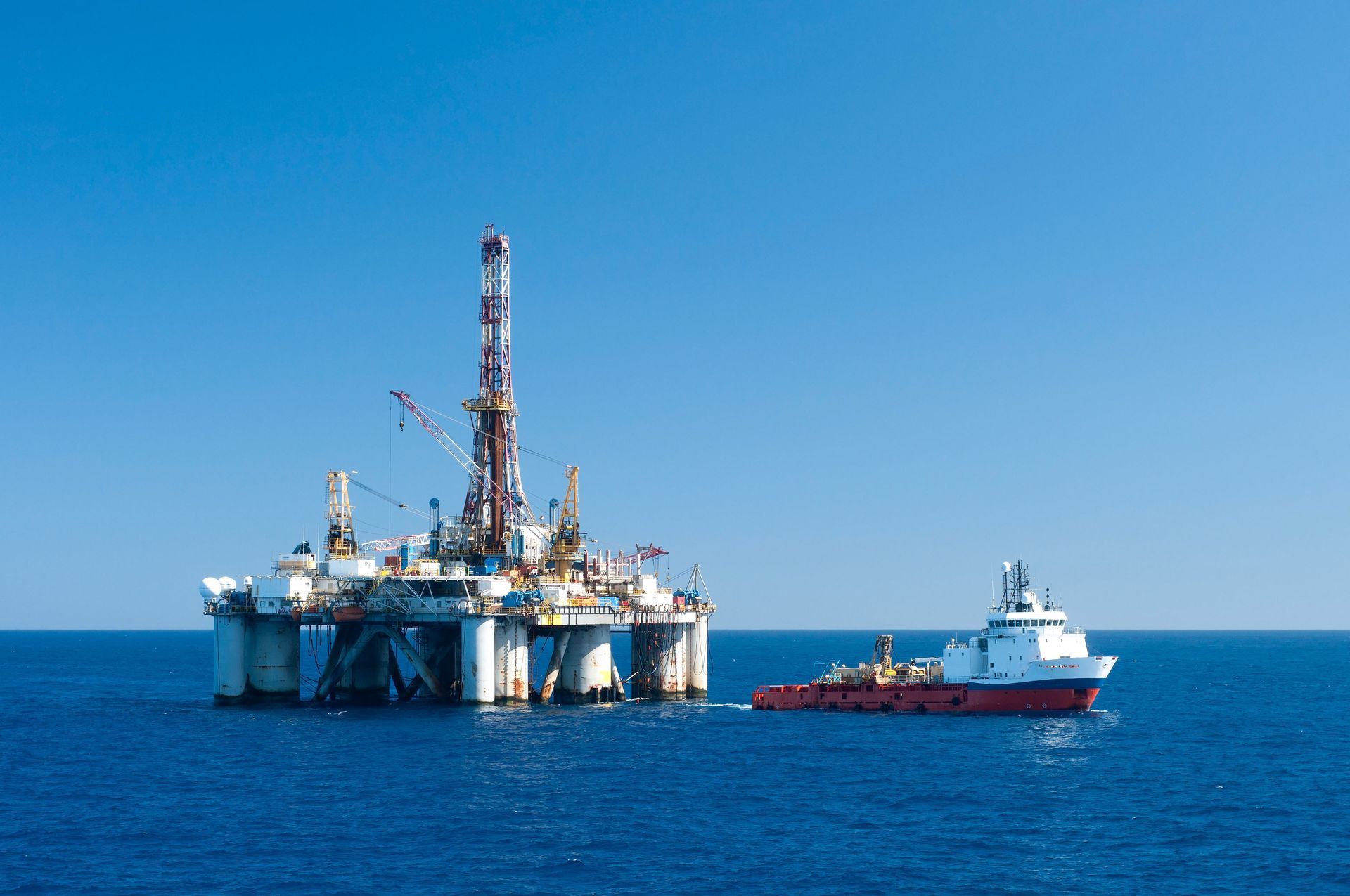
Tugboats play a critical role in offshore oil, gas, and renewable energy operations. The expansion of offshore oil rigs, offshore wind farms, and large-scale marine construction projects all require reliable tugboat support. Tugboat manufacturers are producing vessels engineered for durability and adaptability in challenging offshore environments. These vessels assist in the transport of personnel, equipment, and materials, ensuring efficient and safe operations. As demand for offshore energy infrastructure grows, tugboat manufacturers are uniquely positioned to meet the specialized requirements of this expanding sector.
Responding to Economic Drivers
Economic factors such as investment in maritime infrastructure, globalization of trade, and economies of scale in manufacturing significantly influence the tugboat market. As governments and private entities invest in ports and shipping lanes, the demand for tugboats rises correspondingly. Tugboat manufacturers benefit from this economic environment by optimizing production, incorporating advanced technologies, and leveraging global trade opportunities. Additionally, fluctuations in fuel prices encourage manufacturers to design energy-efficient vessels that remain cost-effective under variable operating conditions, ensuring resilience and long-term profitability in the industry.
Adapting to Environmental and Regulatory Pressures
Environmental regulations and international maritime compliance are increasingly shaping tugboat manufacturing strategies. The adoption of eco-friendly technologies, emission controls, waste management systems, and renewable energy integration are essential for compliance and competitiveness. Tugboat manufacturers are innovating to produce vessels that minimize ecological impact while maintaining high operational performance. This proactive approach ensures that the industry aligns with global sustainability goals and reduces long-term environmental risks. Manufacturers that excel in these areas enhance their reputation and market share, reflecting a commitment to responsible maritime operations.
Fostering Industry Collaboration and Strategic Partnerships
Collaboration with research institutes, shipping corporations, suppliers, and industry consortiums strengthens innovation and ensures alignment with market needs. Knowledge sharing, training programs, and joint ventures enable tugboat manufacturers to enhance vessel performance, streamline production, and anticipate industry trends. These strategic alliances improve competitiveness, foster technological advancement, and support the adoption of best practices. By participating in collaborative initiatives,
tugboat manufacturers position themselves to capitalize on emerging opportunities in the global maritime sector.
Conclusion and Future Outlook
The tugboat manufacturing industry stands on the cusp of significant growth, driven by dynamic shifts in global trade, technological innovations, and environmental priorities. Tugboat manufacturers are responding to rising demand with vessels that combine efficiency, sustainability, and advanced capabilities. By investing in research, development, and strategic partnerships, these manufacturers are well-positioned to meet the evolving needs of maritime logistics. With the market projected to grow substantially in the coming years, the future promises a steady wave of expansion for companies that adapt effectively. For businesses seeking to optimize maritime operations with cutting-edge tugboats, contact Progressive Industrial, Inc. today to explore industry-leading solutions and secure a competitive advantage.


Share On: